A deep teeth cleaning, also called scaling and root planing, isn’t the routine checkup you get twice a year. It’s a more involved procedure designed to treat gum disease by removing tartar and plaque buildup below the gum line. If your dentist has mentioned you need one, your first question is probably about cost. In 2026, prices vary widely depending on where you live, which provider you see, and your insurance coverage. This guide walks you through what deep cleaning actually costs, what factors influence pricing, and concrete strategies to reduce what you’ll pay out of pocket.
Table of Contents
ToggleKey Takeaways
- Deep teeth cleaning costs range from $800 to $2,500 nationally in 2026, with prices varying significantly by location, provider type, and severity of gum disease.
- Insurance typically covers 50-80% of deep teeth cleaning if periodontal disease is documented, making it essential to verify coverage before the procedure.
- You can reduce out-of-pocket costs by obtaining multiple quotes, asking about phased treatment across insurance years, or visiting dental schools and community health centers for discounted rates.
- A deep cleaning procedure usually takes 60-90 minutes and may be split into multiple appointments, with costs ranging from $200-$400 per quadrant depending on the extent of disease.
- Payment plans and financing options like CareCredit can help spread deep cleaning costs over 6-24 months with potential 0% interest promotions for uninsured patients.
What Is a Deep Teeth Cleaning and Why Do You Need It?
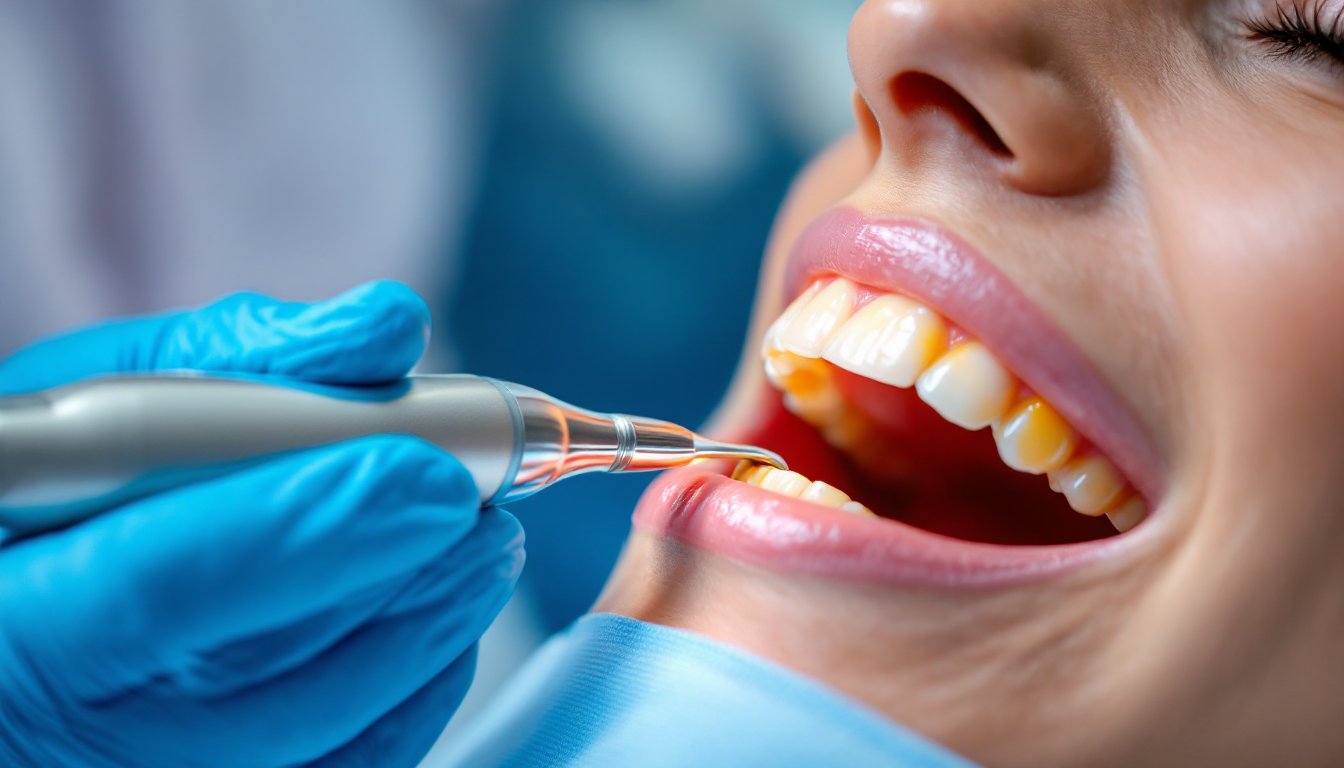
A deep cleaning goes beyond standard prophylaxis (the routine cleaning your hygienist does at regular checkups). During a deep cleaning, the dentist or hygienist uses specialized instruments to remove tartar and plaque that have hardened on tooth roots below the gum line, a process called scaling. They then smooth those root surfaces to help gums reattach and heal, which is root planing.
You typically need a deep cleaning if you’ve been diagnosed with periodontitis (advanced gum disease) or significant gingivitis that hasn’t responded to regular cleaning and home care. Signs include bleeding gums, persistent bad breath, gum recession, or loose teeth. Unlike a regular cleaning, deep cleaning often requires local anesthesia because it’s uncomfortable without numbing the area.
The procedure usually takes 60 to 90 minutes and is often split into two or more appointments, one quadrant or half of your mouth per visit. Your dentist may recommend follow-up visits to monitor healing. Because it’s treating an infection or disease, many insurance plans classify it as a medical procedure rather than cosmetic, which can affect coverage.
Average Cost of Deep Teeth Cleaning by Location and Provider
National averages for deep teeth cleaning in 2026 range from $800 to $2,500 for a full mouth. That breaks down to roughly $200 to $400 per quadrant if you’re having it done in sections. Costs vary significantly based on geography and the type of provider.
General dentists typically charge on the lower to mid-range side, while periodontists (gum specialists) often charge more because of their advanced training and expertise. A procedure at a general dentist might run $1,000 to $1,500 for the full mouth, while a periodontist could charge $1,500 to $2,500 or higher.
Dental schools and community health centers offer discounted rates, often 40 to 60% below private practice, if you’re willing to have the work done by students under supervision or take longer appointment slots.
Regional Price Variations Across the United States
Costs aren’t uniform across the country. Coastal cities and high-income areas typically charge more. In New York City or San Francisco, expect $2,000 to $3,000 for a full mouth deep cleaning. In the Midwest or rural areas, you might pay $600 to $1,200. Southern states generally fall in the $900 to $1,800 range.
When researching, check local provider listings and patient reviews on Angi to compare quotes from multiple dentists in your area. Most offices will provide a cost estimate after an initial exam.
Factors That Influence Deep Cleaning Prices
Several variables determine what you’ll actually pay:
Extent of disease: The more severe your periodontal condition, the longer the procedure takes and the more sessions you may need. Heavy tartar buildup or bone loss requires more aggressive scaling and planing, driving costs up.
Geographic location: Urban areas and regions with higher costs of living charge more. Even within a state, a dentist in a city center will typically charge more than one in a suburb or rural town.
Provider credentials: A periodontist with decades of experience and specialized equipment will charge more than a general dentist. Both are qualified, but the expertise and reputation factor in.
Number of teeth and quadrants affected: Some people need treatment in all four quadrants: others might need it in just two. Each quadrant typically costs $200 to $500 depending on severity.
Anesthesia and additional treatments: If you need IV sedation (for anxious patients), that’s an extra charge. Antimicrobial rinses, guided tissue regeneration, or bone grafting, if recommended, increase the total cost.
Whether you have gum disease diagnosis: Insurance treats diagnosed periodontitis differently than a prophylactic cleaning, often covering a percentage. A cleaning without a disease diagnosis may not qualify for insurance benefits at all.
How Insurance and Payment Plans Can Reduce Your Out-of-Pocket Costs
Most dental insurance plans do cover deep cleaning if it’s medically necessary, meaning your dentist has documented periodontal disease. Coverage typically ranges from 50 to 80% of the procedure cost after you’ve met your annual deductible. But, some plans cap annual benefits at $1,000 to $2,000, so a deep cleaning might consume a significant chunk of your yearly coverage.
If you don’t have dental insurance, many practices offer in-house payment plans or work with third-party financing companies like CareCredit or LendingClub. These allow you to spread payments over 6 to 24 months, often with 0% interest if paid off within a promotional period.
Federal Dental School programs and community health centers frequently accept Medicaid, Medicare, or sliding-scale fees based on household income. If cost is a major barrier, call your state’s dental board or search for federally qualified health centers (FQHCs) in your area.
Before scheduling, ask your dentist’s office if they’re in-network with your insurance. In-network providers have negotiated lower rates and will handle claims. Out-of-network providers may charge significantly more, and you’ll be responsible for a larger portion of the bill.
Ways to Save Money on Your Deep Teeth Cleaning
If you’re facing a deep cleaning bill, here are practical ways to reduce the cost:
Get multiple quotes: Call at least three dentists in your area and ask for an itemized estimate. Prices vary even within the same city, and some offices offer new-patient discounts or promotional rates.
Ask about phased treatment: Instead of doing all four quadrants at once, ask if you can do two quadrants now and two later (spread across different insurance years). This may lower the immediate out-of-pocket cost and let you use insurance benefits twice if you’re near annual maximums.
Visit a dental school: Dental schools like NYU, University of Pennsylvania, and others offer deep cleaning at a fraction of private practice cost. Treatments take longer and are supervised (not unsupervised), but the quality is solid and dentists regularly perform deep cleanings.
Explore community health centers: Good Housekeeping’s home care tips often overlap with professional dental advice, and many community health centers offer subsidized dental work. Search “dental clinic near me” and filter for nonprofit or federally qualified health centers.
Negotiate or ask about discounts: Some offices offer 10-20% discounts for paying in full upfront or for patients without insurance. It never hurts to ask.
Prioritize prevention going forward: Once your deep cleaning is done, aggressive home care, flossing daily, using an electric toothbrush, antimicrobial rinse, can prevent the need for another one and keep your teeth healthy.
Conclusion
Deep teeth cleaning costs between $800 and $2,500 nationally, with significant variation by location, provider type, and disease severity. Insurance often covers 50-80% if periodontal disease is documented. By getting multiple quotes, exploring dental schools and community centers, and asking about payment plans, you can substantially reduce your out-of-pocket cost. The investment in treating gum disease now prevents costlier complications, like tooth loss or advanced periodontitis, down the road.