
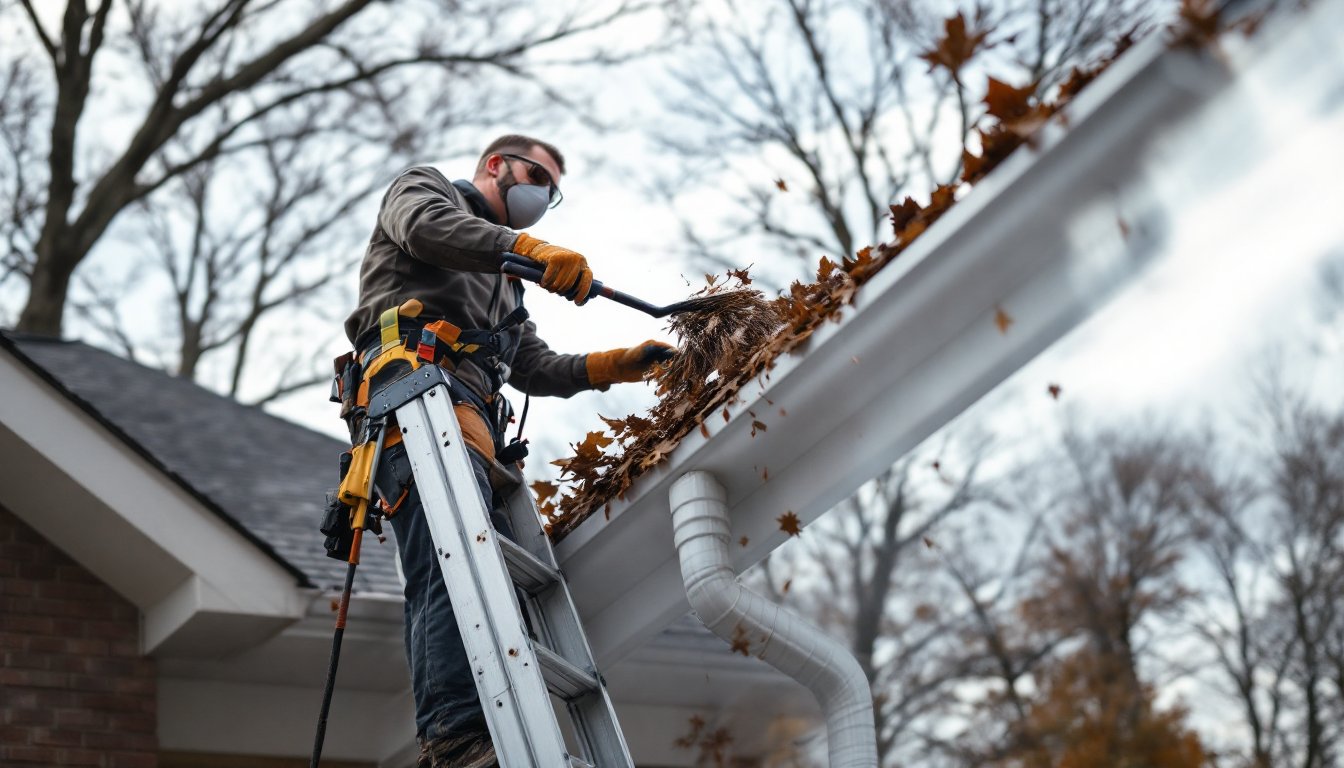
Gutters don’t get much attention until water starts pooling on the roof or spilling over the fascia. In Cleveland, where the climate brings heavy spring rains and wet falls, keeping gutters clear isn’t optional, it’s essential maintenance. A clogged gutter system can lead to water damage, foundation problems, and costly repairs that make DIY gutter cleaning look like a bargain. Whether you’re tackling this project yourself or deciding it’s time to call in help, understanding the basics of gutter cleaning helps you protect your home and catch problems early. This guide walks you through what you need, how to do it safely, and when to bring in a professional.
Table of Contents
ToggleKey Takeaways
- Gutter cleaning in Cleveland should be performed twice yearly (spring and fall) to prevent water damage, foundation problems, and costly repairs caused by Cleveland’s heavy rains and freeze-thaw cycles.
- Clogged gutters create serious structural damage including rotted fascia, deteriorated shingles, foundation cracks, basement flooding, and ice dams that can lead to expensive gutter replacement.
- Essential gutter cleaning tools include a stable 16–24 foot extension ladder, gutter scoop, garden hose, plumbing snake, work gloves, safety glasses, and N95 mask to protect against mold and debris.
- Professional gutter cleaning services ($100–$300) should be hired for three-story homes, structural damage, heavy mold, or if you’re uncomfortable on ladders to prevent injuries and ensure proper repairs.
- Gutter guards or leaf screens reduce cleaning frequency by 50–75% and cost $800–$2,000 but don’t eliminate the need for regular maintenance and inspections in Cleveland’s climate.
- Inspect gutter fasteners and seams every two years, tightening loose connections and sealing leaks with rubberized roof cement to extend gutter lifespan and prevent water damage.
Why Regular Gutter Cleaning Matters in Cleveland
Cleveland’s seasonal weather, heavy spring rains, summer downpours, and wet falls, puts extra demand on gutters. When leaves, twigs, and debris clog the system, water pools instead of flowing toward downspouts. Standing water is a magnet for problems: it rots the fascia, deteriorates the shingles, and can seep into walls and attics. Over time, that moisture reaches the foundation, where it can trigger settling, cracks, and basement flooding.
Clogged gutters also create ice dams in winter, a particular concern in Cleveland’s freeze-thaw cycles. Ice buildup blocks drainage and forces water under shingles, where it refreezes and expands. Gutters filled with leaves and sediment sag under the added weight, pulling away from the roofline and eventually needing expensive replacement.
Regular cleaning, ideally twice a year (spring and fall) in Cleveland’s climate, or more if you have large trees nearby, costs almost nothing compared to the water damage, foundation repair, or full gutter replacement you’d face otherwise. It’s the simplest home maintenance task that prevents the biggest headaches.
Best Tools and Materials for Cleveland Gutter Cleaning
You don’t need specialized equipment to clean gutters, but the right tools make the job faster and safer. A stable ladder (aluminum or fiberglass, not wood) rated for your weight plus tools is non-negotiable. An extension ladder 16–24 feet tall handles most single-story homes: two-story work usually calls for either a taller extension ladder or two ladders with a plank bridge, though that last option is awkward. For easier reach without constant repositioning, a ladder stabilizer or stand-off adds safety and frees up a hand.
For the actual removal, a gutter scoop or small handheld shovel works better than a trowel because it’s designed to fit the gutter’s curve and minimize scattering. Alternatively, needle-nose pliers or a hand rake pulls out matted leaves. A wet/dry shop vacuum with an extension hose is a game-changer, especially if you don’t mind paying a bit more, it sucks debris into a bin instead of onto the ground or your face.
Once the gutter is clear, you’ll want a garden hose to flush the remaining silt and test the flow. A hose flushing nozzle (adjustable or pencil-jet style) gives you better control than holding a kinked hose. For downspout clogs, a plumbing snake or even a plunger handle often dislodges blockages. Don’t skip the small stuff: work gloves (leather or nitrile), eye protection, and a dust mask prevent cuts, flying debris in your eyes, and inhalation of mold spores, especially important if gutters are damp or moldy.
Safety Gear and Equipment You’ll Need
Before you climb, gather ANSI-approved safety glasses to protect against debris. Heavy-duty work gloves (leather is ideal because it resists cuts from sharp debris and gutter edges) keep your hands protected. Dust masks or N95 respirators are critical if gutters contain mold or significant sediment, don’t skip this in damp Cleveland springs.
Ear protection matters if you’re using a power washer or leaf blower. Sturdy work boots or shoes with good traction help you stay balanced on the ladder and roof. A safety harness is not overkill for two-story work or anyone uncomfortable at heights, many rental centers carry them. Finally, fall protection isn’t just about the harness: secure your ladder before climbing, and never lean beyond arm’s reach. If you feel unstable or the ladder shifts, get down and reposition.
Step-by-Step DIY Gutter Cleaning Process
1. Set up and secure your ladder. Position it on level ground perpendicular to the gutter run, and have a second person hold the base if possible. A ladder stabilizer keeps it off the siding and improves stability. Don’t rush this step, most gutter-cleaning injuries come from falls, not debris.
2. Remove loose debris by hand. Starting at one end, scoop leaves and twigs into a bucket or tarp on the ground. A gutter scoop works best because it’s curved to match the gutter’s shape. Work toward the downspout, being mindful of heavy, wet clumps that can shift the bucket’s weight.
3. Flush the gutter with water. Once hand-scooping is done, use a garden hose to push remaining silt and sediment toward the downspout. Work in sections, starting from the high end and moving downslope. Watch how water flows: any pooling spots indicate sagging and may need gutter repair down the road.
4. Clear the downspout. Direct water into the downspout’s opening and watch it exit at the ground. If water pools or trickles, there’s a clog. Use a plumbing snake, a hose with a trigger nozzle pressed into the top of the downspout, or a plunger to dislodge it. If the clog won’t budge, you may need to temporarily disconnect the downspout and rod it out separately.
5. Check gutter slope and fasteners. As water runs, note any areas where it pools instead of flowing. Slight dips are normal, but standing water signals sagging that needs attention, your gutter may need re-fastening or shimming. Tug gently on the gutter edges to feel if fasteners are loose.
6. Repeat for the entire gutter system. Don’t miss valleys, corners, or second-story sections. Cleveland homes often have multiple roof lines, so plan your ladder moves carefully.
7. Dispose of debris responsibly. Leaf debris works well in compost bins or yard waste carts. Never leave it piled near the foundation, it holds moisture and attracts pests.
When to Call a Professional Gutter Service
Some situations call for professional help, and knowing the limits of DIY gutter cleaning saves time and injury. If your gutters are three stories or higher, or if you’re uncomfortable on ladders, hiring a pro is the smart choice. Professionals have articulating booms and cherry pickers that make high work safer and faster.
If you discover structural problems, sagging gutter sections, separated seams, rust holes, or pulling-away fascia, stop and call a contractor. These repairs require fastening hardware replacement, sealing, or even gutter replacement, which is beyond hand-scooping. A rusted-through gutter or separated joint won’t hold water properly and needs replacement, not just cleaning.
Cleveland homeowners should also consider professional help if gutters contain heavy mold, asbestos shingles (don’t disturb), or you simply don’t have the time or mobility. Many professional services offer gutters cleaning plus inspections at reasonable rates. Check resources like Angi’s Cleveland gutter cleaning pros to find local, reviewed contractors. Pricing varies, but professional cleaning typically runs $100–$300 depending on home size and debris volume, cheap insurance against water damage.
Maintaining Your Gutters Year-Round in Cleveland
Cleaning twice yearly is the baseline in Cleveland, but your maintenance schedule depends on your trees and climate. If you live under large oaks, maples, or pines, add a fall cleanup plus a winter check after heavy snow or ice. If nearby construction or tree pruning is happening, schedule an extra cleaning in the weeks after.
During winter, clear gutters before the first heavy snow or freeze. Gutters clogged with wet leaves create the perfect conditions for ice dams. After winter thaw, check for debris pushed in by melting snow. Spring storms also deposit sediment, so a post-storm visual inspection catches problems early.
Consider gutter guards or leaf screens to reduce cleaning frequency. These mesh or perforated covers let water through while blocking leaves. They’re not perfect, some fine debris and sediment still get through, but they reduce hand-scooping by 50–75%. Professional-grade guards cost more upfront but last longer and handle Cleveland’s weather better than cheaper options. Budget $800–$2,000 for gutter guards on a typical home, or find cost estimates and contractor reviews through HomeAdvisor and ImproveNet to compare.
Final tip: inspect gutter fasteners and seams every two years. Tighten loose fasteners and seal leaking seams with rubberized roof cement or caulk rated for gutters. These small touches extend gutter life and prevent bigger repairs later.
Conclusion
Gutter cleaning isn’t glamorous, but it’s one of the easiest maintenance tasks that prevents expensive problems. In Cleveland’s wet climate, staying on top of spring and fall cleanings protects your roof, walls, foundation, and wallet. Whether you DIY with a ladder and scoop or hire a pro, the key is making it a habit, not an afterthought. Your future self will thank you.