A slow drain is annoying. A backed-up sewage line is a disaster. Sewage drain cleaning isn’t the most glamorous home maintenance task, but it’s one of the most important. A clogged main drain can lead to raw sewage backing up into your basement or yard, damaged landscaping, and repair bills running into the thousands. The good news? Many clogs can be prevented or cleared before they become emergencies. This guide walks you through the signs of a problem, the DIY methods that work, and when you absolutely need a professional with a camera and a hydro-jet.
Table of Contents
ToggleKey Takeaways
- Sewage drain cleaning and regular maintenance every 3–5 years prevent costly emergency repairs and public health hazards.
- Multiple slow drains, gurgling sounds, and sewage odors are early warning signs that your main sewer line needs professional attention.
- DIY methods like plungers and hand augers work for minor fixture clogs, but professional hydro-jetting and camera inspection are necessary for main line blockages.
- Grease is the leading cause of residential sewer blockages—let it solidify and dispose of it in the trash rather than pouring it down the drain.
- Professional sewer inspection and hydro-jetting typically cost $150–$600, far less than emergency excavation or pipe replacement running into the thousands.
- Simple prevention habits like using drain screens, avoiding flushing wipes, and keeping trees away from sewer lines extend your system’s lifespan and protect your home.
Why Regular Sewage Drain Maintenance Matters
Your sewage drain system moves waste from every sink, toilet, shower, and appliance in your home to the municipal sewer or your septic tank. Over time, grease, hair, soap buildup, toilet paper, and even tree roots accumulate inside the pipes. This isn’t just a cosmetic issue, it’s a public health risk.
Regular maintenance keeps the system flowing smoothly and catches small problems before they become expensive failures. A drain that’s 60% blocked will eventually hit 100% blockage. Prevention is far cheaper than emergency excavation and pipe replacement. Most homeowners should have their main sewage line professionally inspected every 3–5 years, especially in homes older than 20 years or those with clay or cast-iron pipes prone to deterioration.
Signs Your Drains Need Immediate Cleaning
Don’t wait for a full backup. Catch these warning signs early:
- Multiple slow drains across the house (not just one sink). If the kitchen sink and bathroom drain are both sluggish, the problem is likely downstream in the main line, not at the fixture.
- Gurgling sounds from drains or toilets, especially after using the washing machine. This indicates pressure and partial blockage.
- Raw sewage smell in the yard, basement, or coming from clean-out ports. This is your signal to stop using the drains immediately and call a professional.
- Toilet backup or water pooling around the clean-out cover (usually a 4-inch pipe cap in your yard or basement).
- Lush patches of grass or ground settling in one area of the yard. A leaking sewage line fertilizes the lawn and can cause sinkholes.
- Frequent clogs requiring plunging or snaking every few weeks.
Multiple slow drains and gurgling are the two most common early warning signs. Address them promptly, a Pool Drain Cleaning Service mindset applies here: prevention is better than cure.
DIY Sewage Drain Cleaning Methods
Using a Plunger and Manual Techniques
For minor clogs near the fixture (kitchen sink, shower, toilet), a plunger is your first tool. Use a cup plunger (flat bottom) for sinks and a flange plunger (with the extra rubber cone) for toilets. Fill the sink or tub with a few inches of water, seal the overflow, and plunge vigorously 15–20 times. The rapid pressure change can dislodge hair, food, and soap buildup.
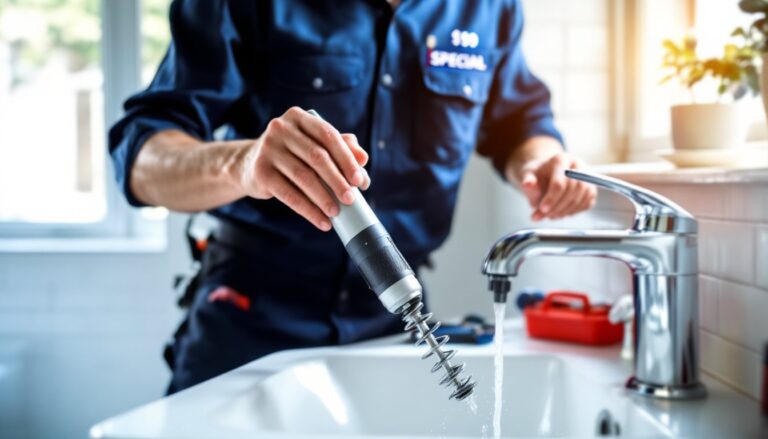
If plunging doesn’t work, a manual hand auger (also called a plumbing snake) is the next step. These come in 15- to 50-foot lengths. Feed it into the drain slowly, rotating the handle as you push. When you feel resistance, you’ve hit the clog, twist and push to break through it. Manual augers work well for hair and soft buildup but won’t clear heavy grease or root intrusions.
For the main sewage line, these methods are too weak. The pipes are deeper, larger in diameter (4 to 6 inches), and often blocked by things hand tools can’t reach. Don’t waste time with a hand auger on the main line.
Chemical Drain Cleaners and Natural Alternatives
Avoid commercial drain cleaners for sewage lines. Products like Drano or Liquid-Plumr are caustic and designed for shallow, accessible clogs in fixture traps. They’re ineffective on main lines, dangerous to handle, and can corrode older pipes. Plus, if you later call a professional to snake the line, the chemical residue creates a safety hazard for the technician.
Natural alternatives work better for minor issues. Baking soda and vinegar is the safest option: pour ½ cup baking soda down the drain, followed by 1 cup white vinegar. Cover the drain and let it fizz for 30 minutes, then flush with boiling water. This works on light hair clogs and buildup but won’t clear a blocked main line. Boiling water alone can sometimes clear grease-related clogs if poured immediately, the heat liquefies the grease temporarily.
For stubborn kitchen sink clogs caused by grease, try this: remove standing water with a cup, pour ¼ cup dish soap down the drain, and slowly add boiling water. The soap emulsifies the grease. Let it sit 10 minutes, then flush with more hot water. If the clog persists after multiple attempts, move to renting a mechanical drain cleaner or calling a plumber.
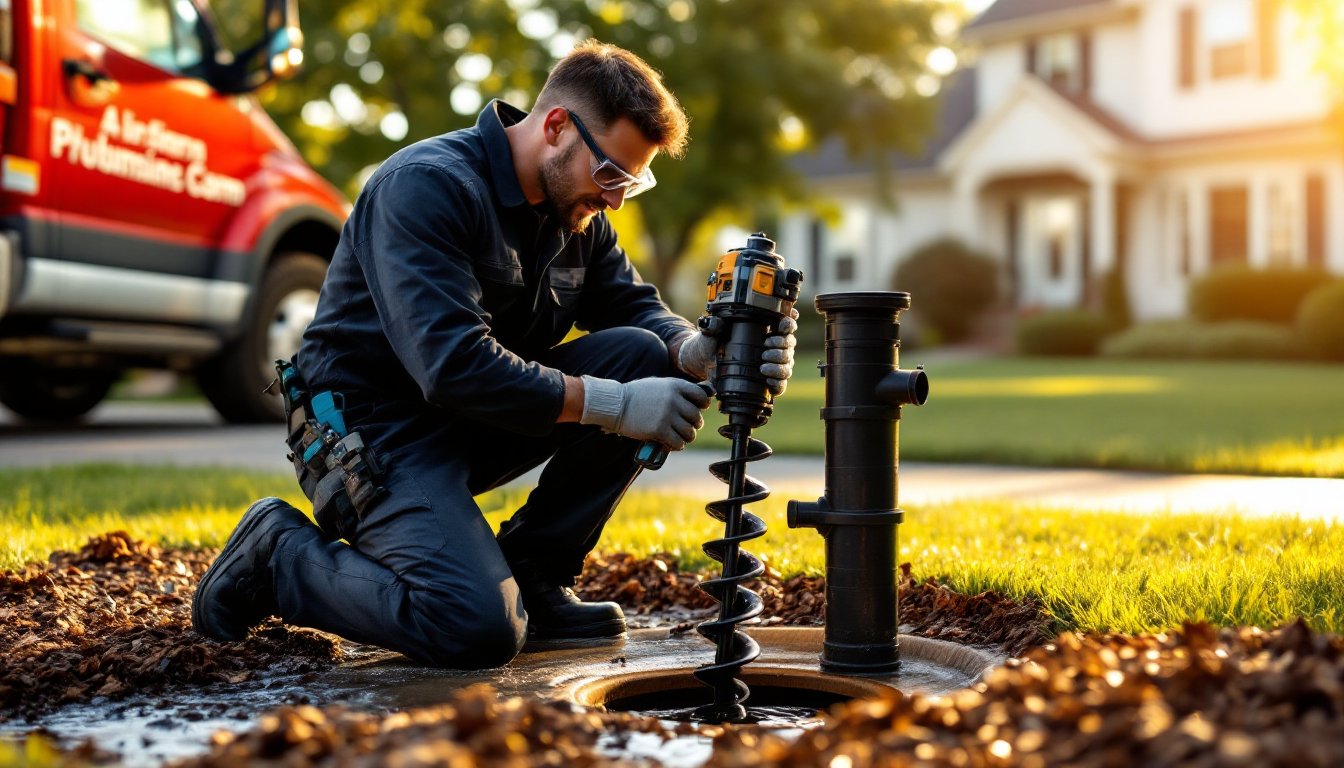
According to Family Handyman, a motorized drain auger rental runs $40–$75 per day. These are more powerful than hand snakes and can clear deeper blockages in the drain line leading to the main. Wear heavy gloves and eye protection, contaminated water and debris will splash.
When to Call a Professional
Stop the DIY attempts and call a licensed plumber or sewer specialist if:
- Multiple drains are slow or backing up. This almost always indicates a main line issue beyond DIY reach.
- You smell sewage or see raw sewage in the yard, basement, or around clean-out covers. Health hazard, professional intervention required.
- You have cast-iron, clay, or asbestos-cement pipes (common in homes built before 1980). These corrode unpredictably, and aggressive snaking can rupture them.
- You suspect tree root intrusion. Roots crack and infiltrate sewer lines, and manual snaking won’t solve the problem permanently.
- The clog returns within 30 days. Repeat clogs suggest a structural issue, not a temporary blockage.
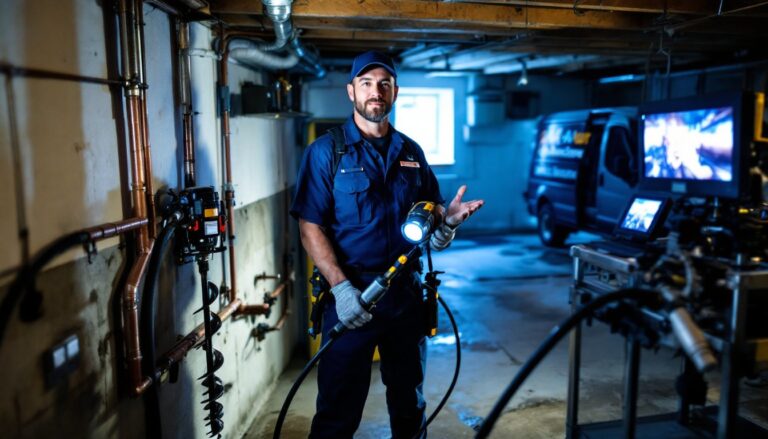
A professional will use a sewer camera (a waterproof rod with a video feed) to inspect the interior of the line, pinpoint the blockage, and determine if it’s buildup, a break, or root intrusion. Many use hydro-jetting, a high-pressure water stream (up to 4000 PSI) that clears roots, grease, and mineral deposits without damaging the pipe.
Costs vary widely by region and problem severity. HomeAdvisor and local sewer cleaning services typically charge $150–$300 for a camera inspection and $300–$600 for hydro-jetting. Urgent after-hours calls or complex blockages can run higher. If you need excavation or pipe replacement, costs jump into the thousands. Get a written estimate before proceeding.
Preventing Future Drain Clogs and Backups
An ounce of prevention beats a pound of cure. These habits keep your sewage drain system healthy:
- Never pour grease down the drain. Let it cool, solidify, and throw it in the trash. Grease is the #1 cause of residential sewer blockages.
- Use drain screens in kitchen sinks and showers. They cost a few dollars and catch hair and food before it enters the pipes.
- Limit toilet paper and flush nothing else. “Flushable” wipes, paper towels, and feminine products don’t break down in sewer systems and cause clogs.
- Run hot water after using the kitchen sink or dishwasher to help grease flow through.
- Have trees assessed if they’re near your sewer line. Root barriers or removing problematic trees prevents costly intrusions.
- Keep your clean-out accessible. Mark its location and keep it clear of mulch and obstacles. If a clog happens, you’ll need quick access.
- Schedule a professional inspection every 3–5 years for homes with aging pipes, frequent backups, or if you can’t remember the last time the line was checked.
These simple steps extend the life of your system and often prevent the emergency calls that wreck weekends and wallets.