
Drain problems sneak up fast in Atlanta. One day your shower’s draining fine, the next you’re standing in ankle-deep water watching soap scum back up. Whether it’s a slow kitchen sink, a gurgling toilet, or a backed-up basement, clogged drains can derail your weekend and your wallet. The good news? Understanding what causes drain issues in Atlanta’s climate, what you can tackle yourself, and when to bring in professionals will save you time, money, and frustration. This guide walks you through the practical steps homeowners take to keep their plumbing flowing.
Table of Contents
ToggleKey Takeaways
- Drain cleaning in Atlanta requires understanding local factors like tree roots, clay-heavy soil, and corroded pipes before deciding whether to DIY or hire a professional.
- Most household clogs can be resolved with simple tools like a plunger or hand snake, but if water still backs up after two attempts, stop and call a professional to avoid pipe damage.
- Multiple drains backing up simultaneously, tree roots, or a sewage smell indicate a main line issue that requires professional drain cleaning and should not be attempted as a DIY project.
- A professional drain camera inspection costs $150–300 but shows exactly what’s blocking your line, helping you understand the repair needed and avoid guesswork.
- Prevention through drain strainers ($2–5), avoiding grease disposal, and proper flushing habits keeps drains flowing and reduces the need for emergency professional service.
- Licensed plumbers understand Atlanta building codes and permitting requirements; unpermitted DIY plumbing work can fail inspections and void homeowner’s insurance coverage.
Understanding Common Drain Problems in Atlanta
Atlanta’s humid climate and clay-heavy soil create specific drainage headaches that differ from other regions. Tree roots are a major culprit, they’re attracted to water lines and can crack old PVC or clay pipes, allowing soil and roots to invade and block flow. Atlanta’s red clay also shrinks and expands seasonally, shifting the ground and stressing drainage lines.
Hair, grease, soap buildup, and mineral deposits clog residential drains year-round. Older homes in Atlanta often have cast iron or galvanized steel pipes that corrode from the inside, creating rough interior surfaces where debris catches. Newer homes with PVC face problems from improper slope or settling that disrupts the downward grade water needs to flow.
The difference between a slow drain (partial blockage) and a backed-up drain (total blockage) matters. A slow drain might just need a quick snake or a chemical treatment. A backed-up drain signals a serious obstruction, tree roots, a collapsed section, or a main line issue that demands professional inspection with a camera.
DIY Drain Cleaning Methods That Actually Work
Before calling a professional, try these proven methods. Most effective is a plunger, a faithful 6-inch cup or flange plunger works better than fancy versions. Fill the sink or tub with water so the plunger cup seals, then pump vigorously 15-20 times. This dislodges hair and soap clogs near the trap.
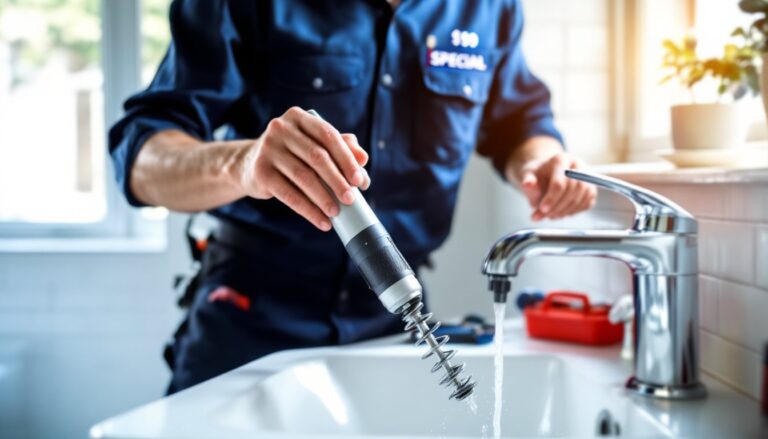
A hand auger or snake (a flexible metal cable with a handle) works on tougher clogs 5-10 feet down the line. Feed it slowly into the drain, turn the handle to snag hair and debris, and pull back. Rent one for $10-15 from a hardware store, cheaper than a service call for minor blockages.
For kitchen drains, remove standing water, then pour boiling water down the drain followed by 1/2 cup of baking soda and 1 cup of white vinegar. Cover the drain opening and let it sit for 30 minutes, then flush with hot water. This breaks down grease and soap without harsh chemicals.
Chemical drain cleaners (like sodium hydroxide products) clear tough clogs but damage old pipes and harm skin and eyes, wear gloves and goggles if you use them. They’re a last resort before calling a pro. Store them safely away from kids and pets.
These methods handle 80% of household drain clogs. If water still backs up after two attempts, stop, pushing harder risks damaging the pipe or trap, and you’re likely facing a deeper, professional-grade problem.
When to Call a Professional Drain Cleaner
Call a professional when DIY methods fail or when red flags signal serious trouble. Multiple drains backing up simultaneously means the issue is in the main line, not a single fixture, definitely a pro job. Water pooling in your yard or basement, unexplained soggy patches, or a sewage smell indoors point to a ruptured or collapsed main drain line.
If you rent or don’t own your home, check your lease, landlords may legally be responsible for drain maintenance. Tree roots are another clear sign you need a professional: they require specialized equipment like a motorized auger or a hydro-jet to cut and clear.
Older homes with frequent clogs (every few months) likely have corroded pipes or mineral buildup that needs professional diagnosis. A drain camera inspection costs $150-300 but shows exactly what’s wrong, root intrusion, pipe collapse, grease buildup, or offset joints, so you know what repair you’re paying for.
Local Atlanta codes may require permits for drain work, especially if main lines or sewer connections are involved. Licensed plumbers know the rules and can pull permits: DIY fixes that bypass code requirements can cause legal problems and failed inspections later. Homeowners insurance also typically won’t cover damage from unpermitted plumbing work.
What to Expect From Professional Service
When a drain cleaning professional arrives in Atlanta, expect a systematic approach. They’ll ask about the problem, which drains are affected, when it started, and what you’ve already tried. This narrows down whether it’s a localized or main-line issue.
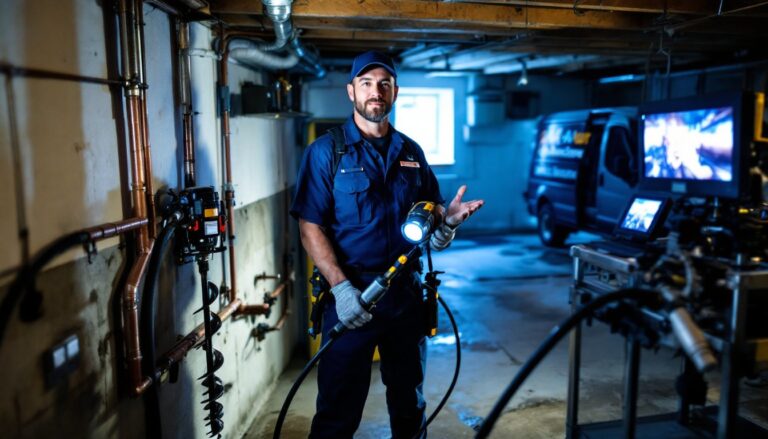
For minor clogs, they’ll use a motorized drum auger (more powerful than a hand snake) to break through blockages. For tougher jobs, they deploy a hydro-jet, which shoots high-pressure water through the line to scour away grease, tree roots, and mineral deposits. This is gentler on old pipes than aggressive snaking.
A professional may recommend a drain camera inspection before proceeding, especially if there’s a history of recurring clogs or signs of pipe damage. The camera runs through the line and displays what’s blocking it on a monitor, you see the problem yourself.
Charges vary widely depending on the job. Simple drain cleaning runs $150-250: a camera inspection costs $200-400: tree root removal can exceed $1,000 if the main line is compromised. Getting contractor recommendations from HomeAdvisor or checking local service reviews on Angi helps compare pricing before booking. Many pros offer flat rates for standard services, so ask for a quote upfront.
Preventing Future Drain Issues at Home
Prevention beats emergency calls every time. Use drain strainers in sinks, showers, and tubs, they’re cheap ($2-5) and catch hair before it enters the pipe. Empty them weekly and toss the debris in the trash, not the toilet.
For kitchens, never pour grease down the drain, even warm grease. Let it cool in a container, solidify, and throw it away. Wipe plates and cookware with a paper towel before washing to minimize fat and food particles going into pipes. If you have a garbage disposal, run cold water while using it and avoid grinding hard items like bones, peach pits, or fibrous vegetables.
Flushing only toilet paper and human waste protects your plumbing. “Flushable” wipes, paper towels, feminine hygiene products, and even excess toilet paper create blockages, the term “flushable” is misleading marketing. Educate household members, especially kids, about what belongs in the toilet.
A pool drain cleaning service can be part of regular property maintenance if you have a pool, preventing separate line issues. For the main house drain, run enzyme-based drain cleaner monthly, these contain natural bacteria that digest organic buildup without corroding pipes. They’re gentler than chemical cleaners and work over time.
Also, schedule an annual inspection if your home is over 20 years old or has a history of slow drains. A professional camera check catches problems early, a small root intrusion is cheaper to fix than a collapsed section. Check local home improvement cost guides to budget for routine maintenance and understand regional pricing trends for your area.
Conclusion
Drain cleaning in Atlanta doesn’t always require a professional, but knowing your limits saves money and prevents costly repairs. Start with a plunger, try a snake, and use safe chemical treatments if needed. When those fail, tree roots appear, or multiple drains back up, call a licensed pro without hesitation. A camera inspection costs less than guessing, and proper maintenance, strainers, grease avoidance, and smart flushing, keeps your drains flowing for years.