Chicago homes face unique drainage challenges. Hard water, aging pipe infrastructure, and seasonal freeze-thaw cycles conspire to clog drains faster than homes in other regions. A slow drain might seem minor, but it’s often the first warning sign of a bigger problem lurking in your pipes. The good news? Most Chicago drain issues can be prevented or resolved with straightforward maintenance and the right techniques. Whether you’re a hands-on homeowner or someone who’d rather skip the plunger, understanding your options, from DIY fixes to professional services, means you’ll avoid costly emergency calls and keep water flowing smoothly through your home year-round.
Table of Contents
ToggleKey Takeaways
- Chicago’s hard water, aging pipes, and freeze-thaw cycles make drain cleaning a priority—regular maintenance prevents costly emergency repairs and sewage backups.
- The baking soda and vinegar method is a safe, zero-cost DIY drain cleaning technique for routine maintenance and minor slow drains that should be used monthly.
- A hand-crank plumbing snake ($15–$30) effectively handles serious clogs from hair, grease, and soap buildup, but motorized augers or professionals are needed for main sewer line blockages.
- Red flags requiring professional drain cleaning services include recurring clogs, sewage smells in the yard, sinkholes, or suspected tree root intrusion—a camera inspection costs $100–$250 but prevents costly surprises.
- Preventing future drain problems in Chicago homes requires drain screens, avoiding grease disposal, minimal garbage disposal use, and monthly hot water flushes to keep water flowing smoothly.
Why Chicago Homes Need Regular Drain Maintenance
Chicago’s water chemistry and climate create a perfect storm for drain problems. The city’s hard water, high in calcium and magnesium minerals, deposits scale inside pipes over time, narrowing the space water can flow through. Root intrusion is another Chicago-specific headache: mature trees around older homes send roots into sewer lines seeking moisture, causing blockages and structural damage. Winter freeze-thaw cycles also take a toll: water trapped in pipes expands, cracks grout seals, and promotes bacterial growth that creates sludge buildup.
Most Chicago homes built before the 1980s use cast iron or clay sewer lines, both prone to deterioration. Grease buildup, from washing dishes, cooking, or flushing wipes, accelerates clogs by creating a sticky film where hair, soap scum, and mineral deposits stick fast. Ignoring slow drains invites sewage backups into your basement, mold growth, and eventual pipe replacement bills that run into thousands. Regular maintenance catches problems early, saves money, and keeps your plumbing working reliably.
DIY Drain Cleaning Methods That Work
Using Baking Soda and Vinegar
The baking soda and vinegar method is the safest starting point for minor clogs and maintenance. It works best for slow drains caused by soap scum and soft buildup, not severe blockages. Pour 1/2 cup of baking soda directly down the drain, follow immediately with 1 cup of white vinegar, and cover the drain opening with a wet cloth or drain plug. The chemical reaction fizzes and agitates debris for about 30 minutes: don’t use your drain during this time. Finish by flushing with boiling water (or very hot tap water if you have PVC pipes, which can warp at extreme heat).
This method is safe for all pipe types, requires zero tools, and costs pennies. Repeat monthly as preventive maintenance. It won’t break through a total blockage, but it’s perfect for keeping drains clear and fresh-smelling without harsh chemicals that corrode older pipes.
Plumbing Snake and Auger Techniques
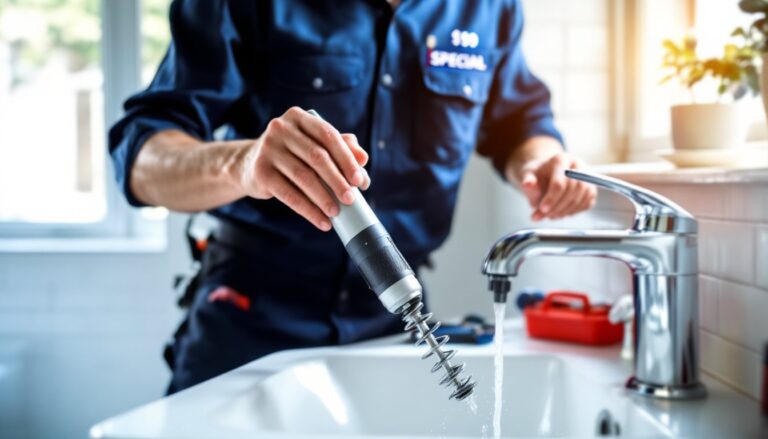
A hand-crank plumbing snake (also called a drain auger) is your go-to tool for serious clogs. For kitchen and bathroom sink drains, a 25-foot manual snake with a 1/4-inch cable costs $15–$30 and works on hair, grease, and soap buildup. For toilet clogs, use a closet auger with a curved head designed to fit bowl geometry without scratching the porcelain.
To use a snake: Remove the drain strainer or overflow plate. Feed the cable slowly into the drain while turning the handle clockwise. You’ll feel resistance when the cable hits the clog, keep turning and pushing gently. Don’t force it: aggressive yanking tangles the cable or damages pipes. Once you feel the blockage break apart (you’ll notice a sudden give in resistance), crank the handle backward to pull out dislodged debris. Flush with hot water afterward.
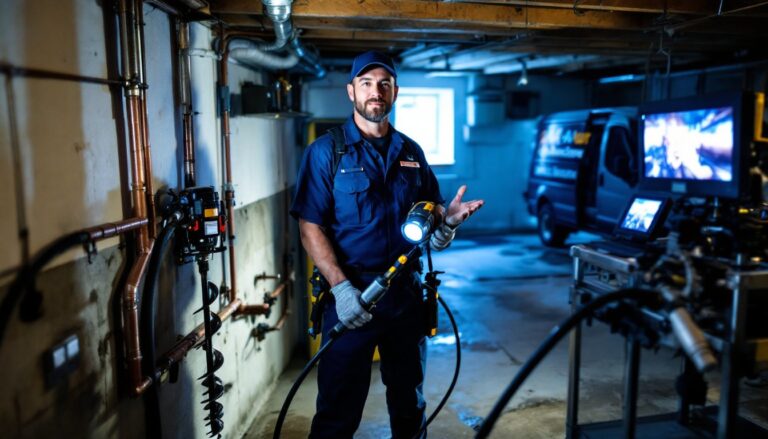
For tough jobs like main sewer line clogs, a motorized auger (drum machine) rents for $40–$80 per day from tool rental shops. These pack serious power and require two people for safe operation, one to feed the cable while the other controls the motor. If your main line is clogged, a motorized auger might save you a $300+ professional call, but rent one only if you’re comfortable with the technique. Family Handyman offers detailed guides on proper auger use if you want step-by-step visuals.
Always wear work gloves and eye protection when snaking: debris and splashing wastewater are real concerns. A plumbing snake is not a substitute for a professional drain camera inspection when you suspect tree roots or structural pipe damage.
When to Call a Professional Drain Service
DIY methods work great for routine maintenance and minor clogs, but some situations demand a licensed plumber. If your drain backs up into your bathtub or sink every time you use another fixture (like flushing a toilet), your main sewer line is likely blocked, a problem beyond a simple auger. Recurring clogs in the same spot, even though repeated clearing, signal a structural issue: a cracked pipe, collapsed section, or root intrusion that only a camera inspection can diagnose.
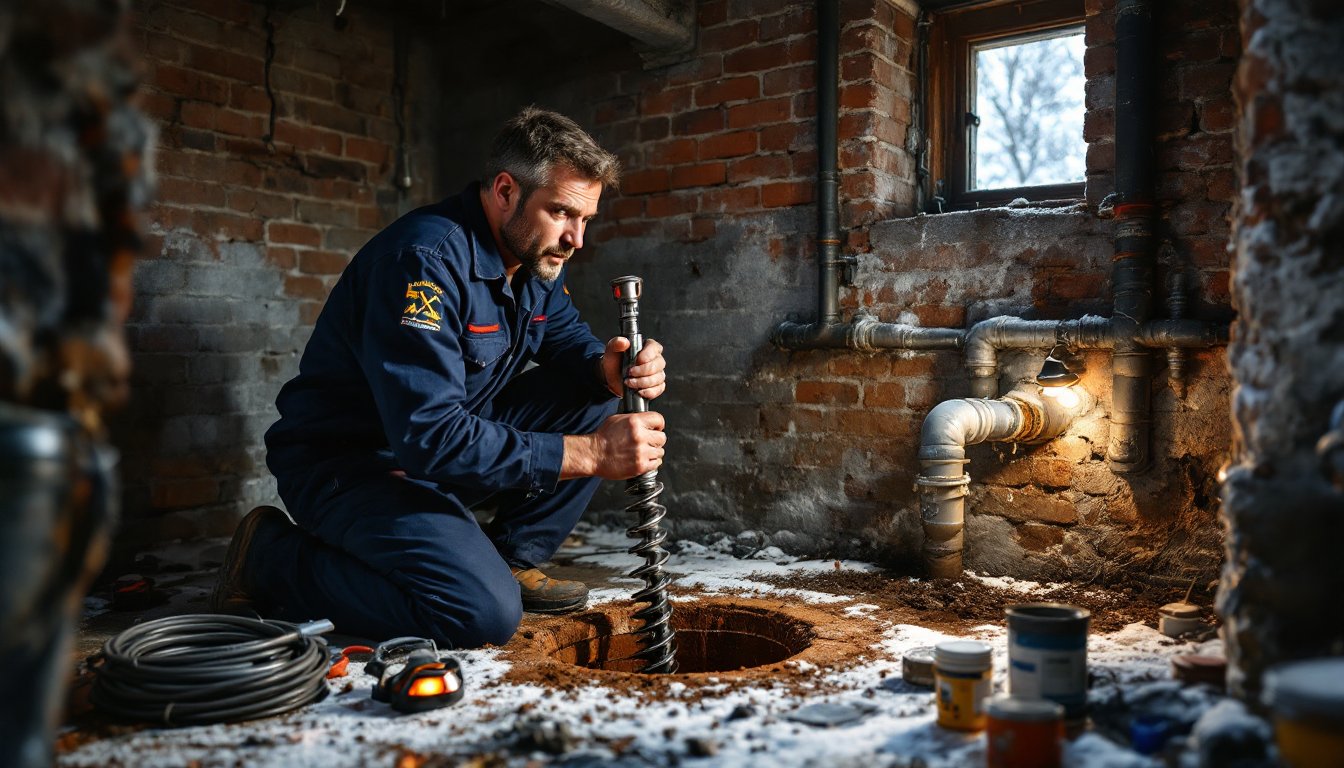
Sewage smells in your yard, sinkholes forming, or raw sewage pooling in your basement are absolute red flags requiring immediate professional help and likely a permit for repair work. Tree roots in sewer lines need more than auger work: they require professional root cutting followed by chemical treatments or trenchless pipe repair.
Angi lists the top 10 drain cleaning companies in Chicago with verified customer reviews and pricing. A professional inspection costs $100–$250 but includes a camera scope of the line and a written report of findings. That investment prevents costly surprises and helps you decide whether repair is worth the expense. Many cities, including Chicago, require permits for sewer line work, so professionals handle that paperwork too. If you’re unsure whether your issue is DIY-level or professional-grade, call three local plumbers for free estimates: most charge nothing for diagnosis and can advise honestly on whether you need their service.
Preventing Future Drain Problems in Chicago Homes
Prevention beats emergency repairs every time. Install drain screens or hair catchers in every sink, shower, and tub, they cost $2–$5 and catch the majority of clogs before they form. Empty them weekly. Never pour grease down drains: let it cool, solidify, and toss it in the trash. Wipe dishes with paper towels before washing to reduce grease load.
Use your garbage disposal sparingly: it’s not a trash can. Avoid flushing anything except toilet paper and human waste, baby wipes, paper towels, and feminine products clog lines and municipal systems. Flush toilet paper in moderation: excessive amounts overwhelm older pipes.
Monthly maintenance is your best friend. Run hot water through drains for 30 seconds after use. Once monthly, use the baking soda and vinegar method to dissolve early buildup. In Chicago winter, insulate exposed pipes in crawlspaces or basements to prevent freeze-related cracks that trap water and dirt.
If you have mature trees near your home or have had root problems before, professional root treatment every 2–3 years is worthwhile. Products like root barriers prevent roots from entering sewer lines in the first place. HomeAdvisor’s cost estimators can give you ballpark pricing on preventive drain maintenance in your Chicago zip code, helping you budget accordingly. Finally, keep a simple log of which drains have given trouble and when: patterns help plumbers diagnose systemic issues faster.
Conclusion
Chicago drain problems are manageable with knowledge and a bit of elbow grease. Start with baking soda and vinegar for routine care, graduate to a plumbing snake for stubborn clogs, and know when professional help protects your investment. Stay ahead of trouble through prevention: screens, grease discipline, and monthly maintenance keep most drains flowing freely. Your future self, and your basement, will thank you for the small effort today.